

Ludmer Center’s panel discussion on Mental Health
Ludmer Centre’s panel discussion on mental health Thursday October 23rd. 2014 McGill Centre for Integrative Neuroscience (MCIN) Montreal Neurological Institute (MNI) Video: live video no longer available
Read MoreProfessor Evans Awarded Major Brain Disorders Prize.
Dr. Alan Evans has been awarded the Margolese National Brain Disorders Prize by the University of British Columbia. Dr. Evans is a researcher at the Montreal Neurological Institute and the James …
Read MoreAlan Evans : Top-1% highly cited scientists in Neuroscience
Highly Cited Researchers 2014 represents some of the world’s leading scientific minds. Over three thousand researchers earned the distinction by writing the greatest numbers of reports officially designated by Essential …
Read More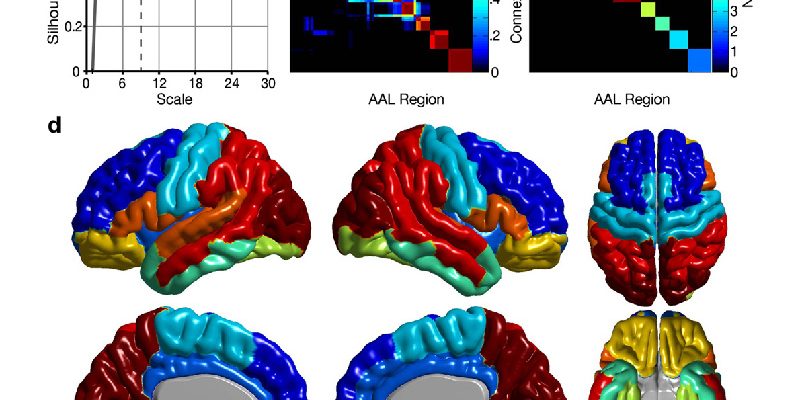
Heritable changes in regional cortical thickness with age
It is now well established that regional indices of brain structure such as cortical thickness, surface area or grey matter volume exhibit spatially variable patterns of heritability. However, a recent study found these patterns to change with age during development, a result supported by gene expression studies. Changes in heritability have not been investigated in adulthood so far and could have important implications in the study of heritability and genetic correlations in the brain as well as in the discovery of specific genes explaining them.
Read MoreINTEGRATIVE NEUROSCIENCE THROUGH HIGH-PERFORMANCE NEUROIMAGING
The McGill Centre for Integrative Neuroscience (MCIN), led by Dr. Alan Evans, is a leading hub for computational brain research, driving innovation at the intersection of neuroscience, data science, and genetics.
Read MoreMontreal Resting State fMRI Workshop
On May 29, 2014 MCIN held the first RSfMRI workshop in Montreal. Attended by more than 130 students and researchers, representative work on the topic from nine labs at the …
Read More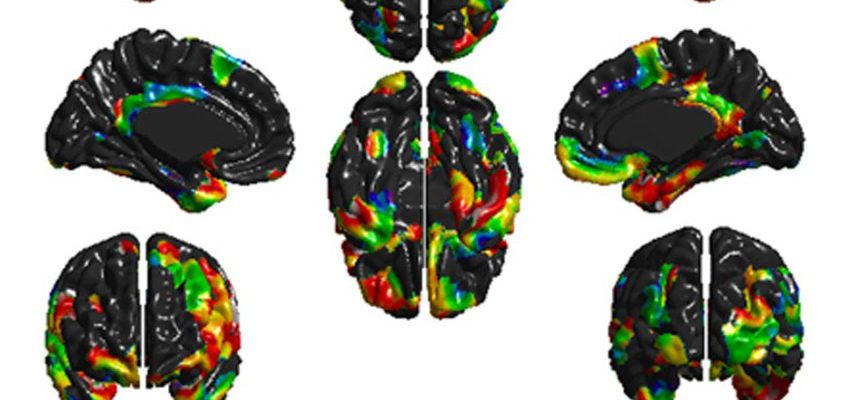
Childhood cognitive ability accounts for associations between cognitive ability and brain cortical thickness in old age
Associations between brain cortical tissue volume and cognitive function in old age are frequently interpreted as suggesting that preservation of cortical tissue is the foundation of successful cognitive aging. However, this association could also, in part, reflect a lifelong association between cognitive ability and cortical tissue.
Read MoreCanadian Brain Research Driven by High Performance Computing
The essential role supercomputing can play in supporting breakthrough discoveries and driving vital research was showcased recently through two exciting announcements involving McGill researcher and Compute Canada user Dr. Alan Evans. Late …
Read More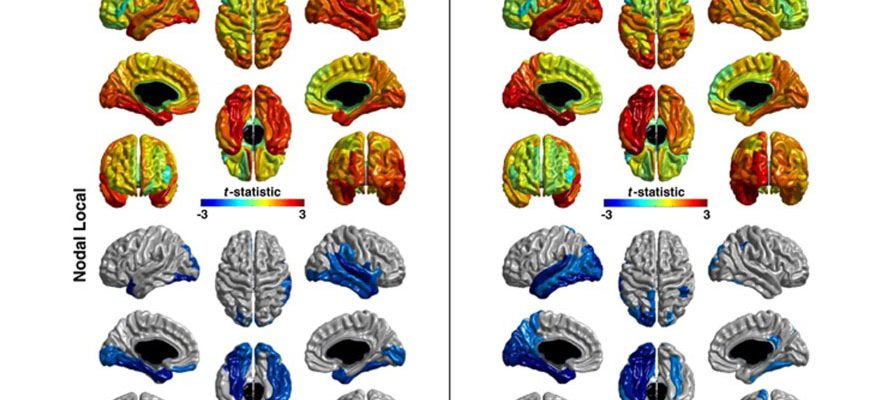
Network inefficiencies in autism spectrum disorder at 24 months
Autism spectrum disorder (ASD) is a developmental disorder defined by behavioral symptoms that emerge during the first years of life. Associated with these symptoms are differences in the structure of a wide array of brain regions, and in the connectivity between these regions. However, the use of cohorts with large age variability and participants past the generally recognized age of onset of the defining behaviors means that many of the reported abnormalities may be a result of cascade effects of developmentally earlier deviations.
Read MoreDr. Evans and Dr. Sonenberg will receive over $3.7 million from the Azrieli Neurodevelopmental Research Program
Internationally renowned McGill University researchers Alan Evans and Nahum Sonenberg are among the recipients of new funding for research into neurological disorders announced today by Prime Minister Stephen Harper at …
Read MoreCANARIE: Revolutionary Human Brain Atlas One of Top 10 Breakthroughs
CANARIE, a vital component of Canada’s digital infrastructure supporting research, education and innovation, today added to the chorus of congratulations for the Canadian-German team responsible for the creation of the …
Read MoreMIT Technology Review : BigBrain 1 of Top 10 Breakthroughs of 2014
Neuroscientists have made remarkable progress in recent years toward understanding how the brain works. And in coming years, Europe’s Human Brain Project will attempt to create a computational simulation of …
Read More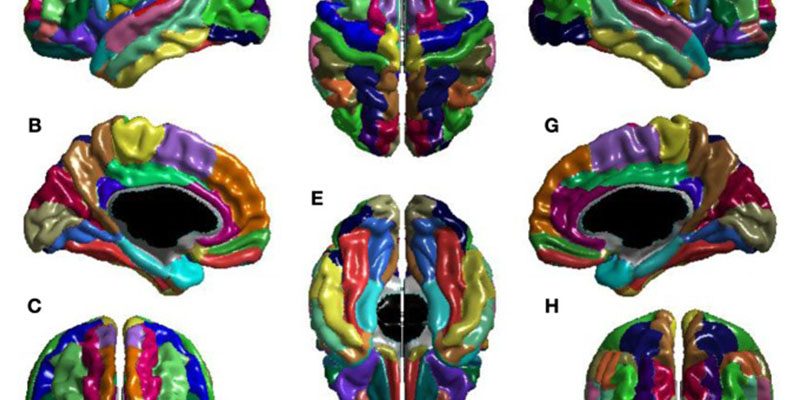
Network efficiency in autism spectrum disorder and its relation to brain overgrowth
A substantial body of evidence links differences in brain size to differences in brain organization. We have hypothesized that the developmental aspect of this relation plays a role in autism spectrum disorder (ASD), a neurodevelopmental disorder which involves abnormalities in brain growth. Children with ASD have abnormally large brains by the second year of life, and for several years thereafter their brain size can be multiple standard deviations above the norm.
Read More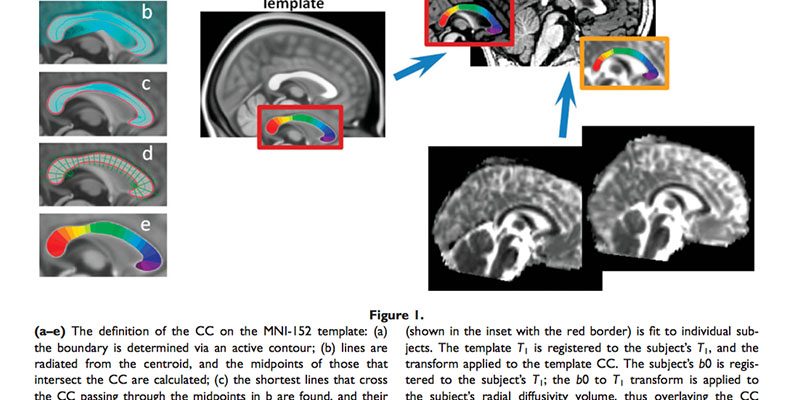
Callosal fiber length and interhemispheric connectivity in adults with autism: brain overgrowth and underconnectivity
Typical adults show an inverse relation between callosal fiber length and degree of interhemispheric connectivity. This has been hypothesized to be a consequence of the influence of conduction delays and cellular costs during development on axonal pruning, both of which increase with fiber length. Autism spectrum disorder (ASD) provides a test of this hypothesis: Children with ASD are known to have enlarged brains; thus, adults with ASD should show reductions in interhemispheric connectivity proportional to their degree of brain overgrowth during development.
Read More